
Overview
Folk Songs
民间歌曲
Work songs, mountain songs, short popular songs
Chinese Music Atlas · Knowledge Map
Explore musical traditions, performance genres, instruments, and the ideas that connect them - then follow any of them into the knowledge base.
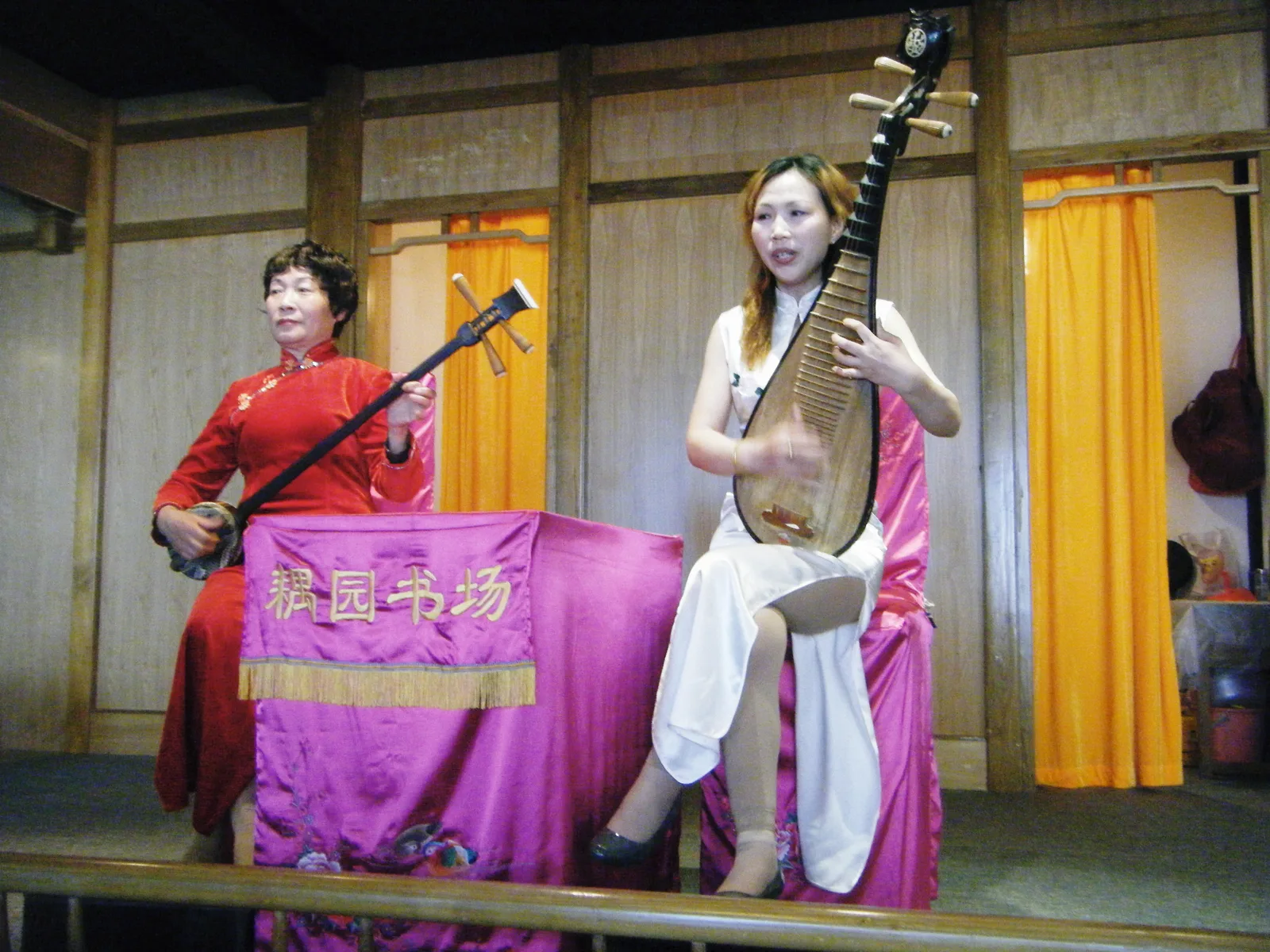
Chinese music is often grouped by how it is made - sung, danced, narrated, staged, or played. These six entries are the groupings this site uses to get you oriented.
民间歌曲
Work songs, mountain songs, short popular songs

歌舞音乐
Yangge and other folk song-and-dance traditions

说唱音乐
Suzhou pingtan, Jingyun dagu
戏曲音乐
Kunqu, Peking opera, clapper operas
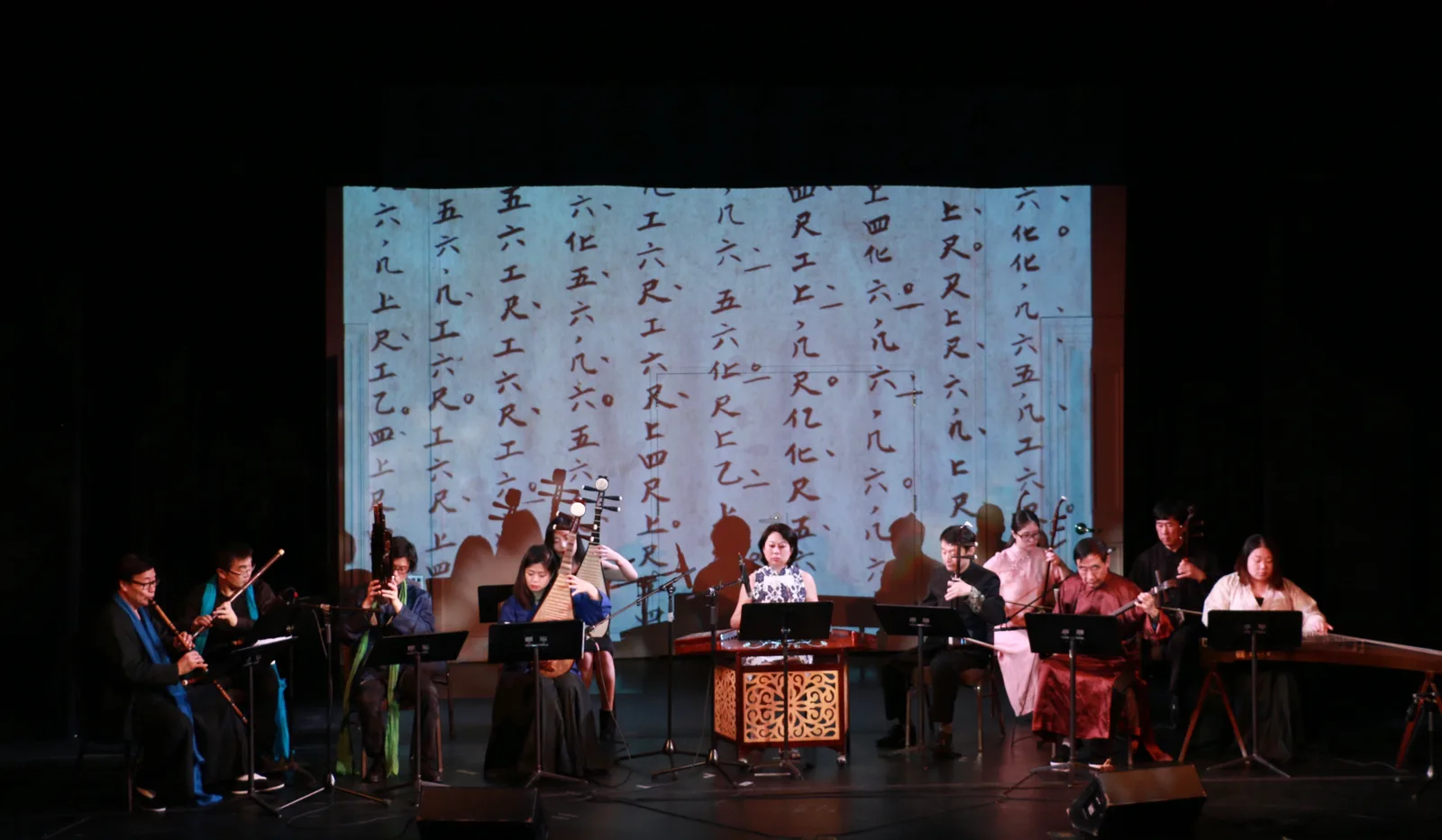
民族器乐
Solo, duet and ensemble playing
综合性乐种
Forms that combine singing, playing and staging
This grouping is the framework this site uses to help you get oriented. It is not the only way Chinese music is classified, and different sources divide it differently.Genre photographs are illustrative: they show a related practice, not evidence for any statement about the genre. Detailed genre pages do not exist yet.
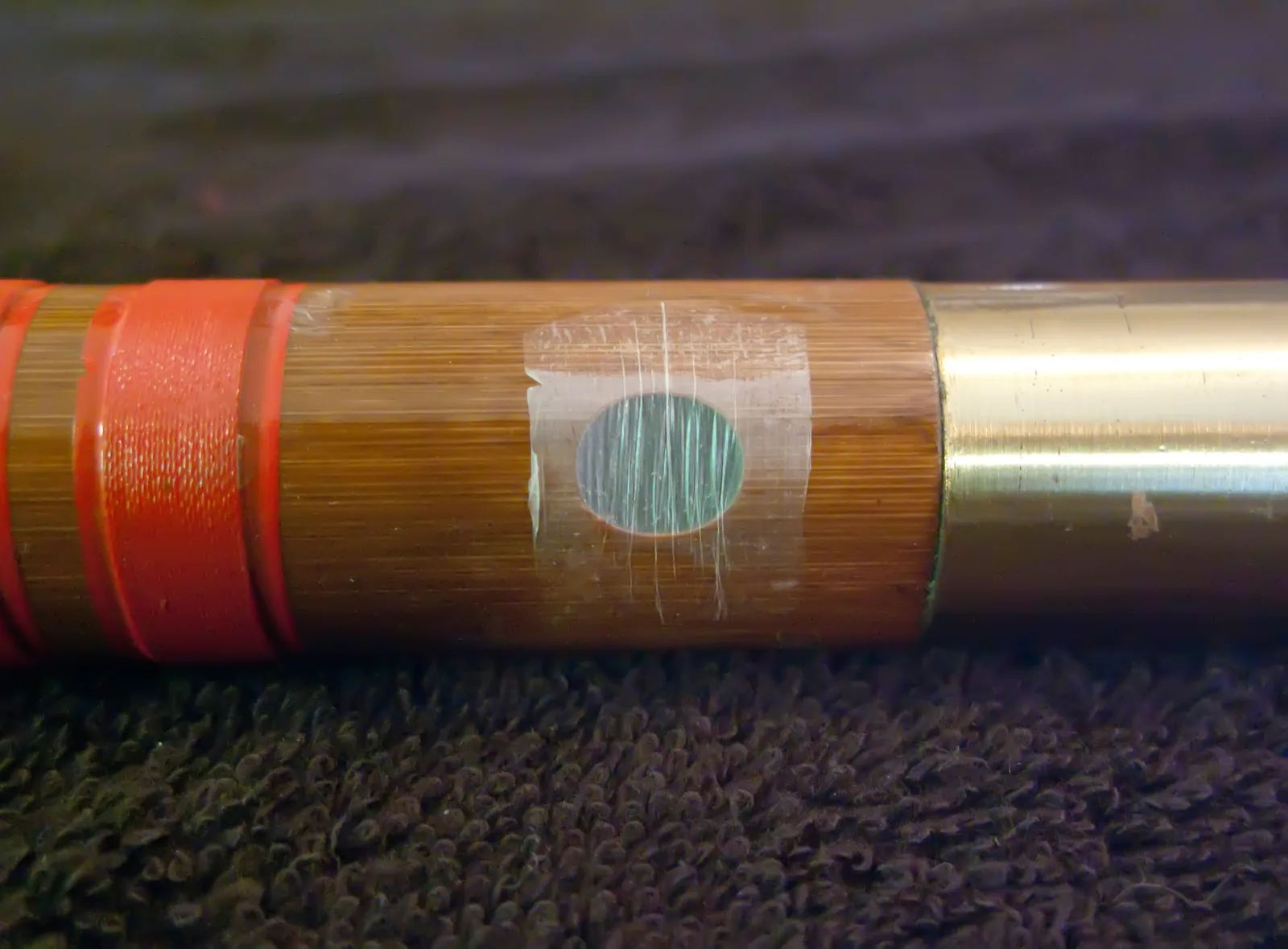
Dizi, xiao, sheng, suona, xun
No entries published in this family yet.
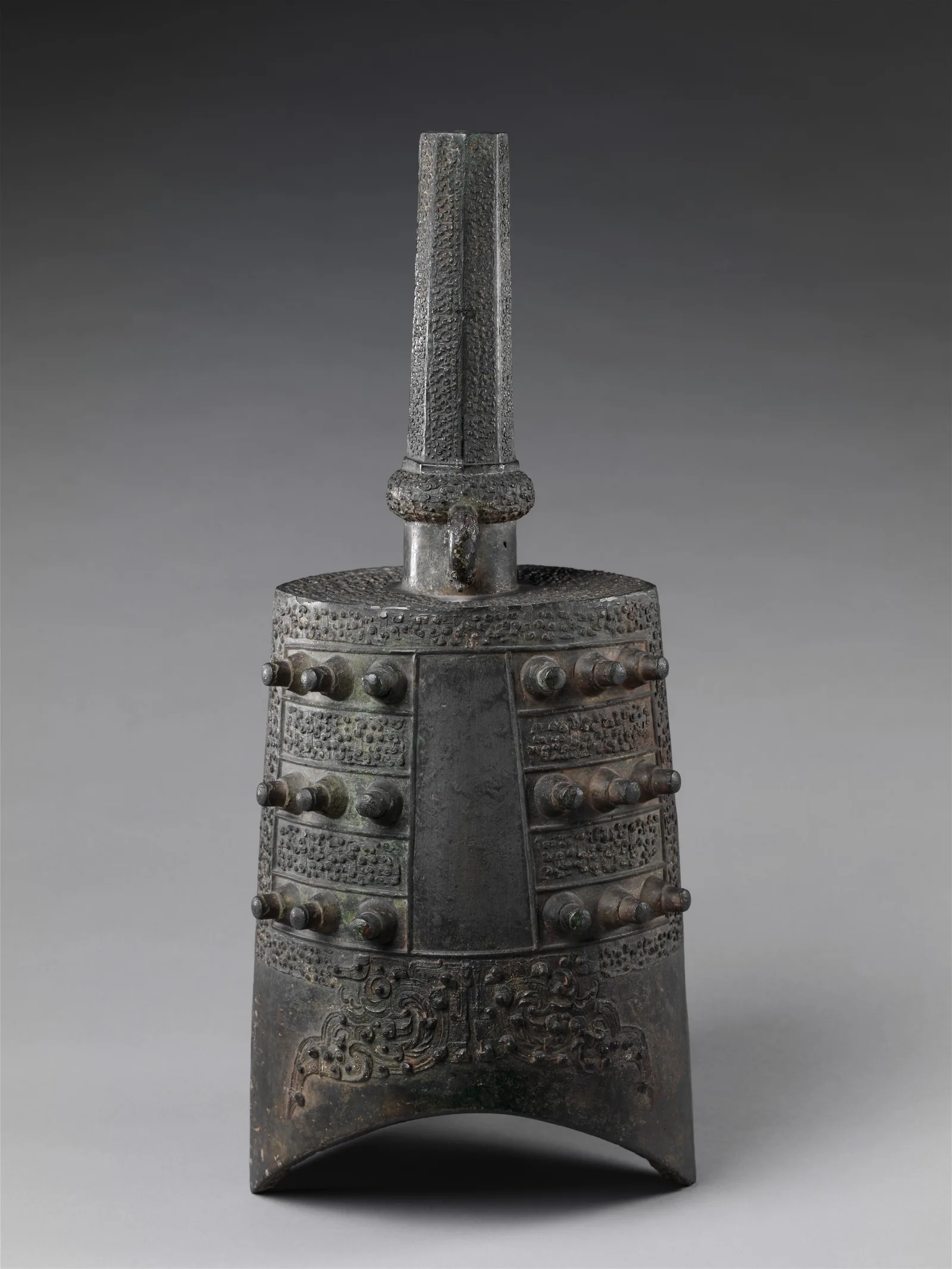
Drums, gongs, cymbals, bianzhong, yunluo
No entries published in this family yet.
Older Chinese writing groups instruments by the material they are made from - metal, stone, silk, bamboo, gourd, clay, hide and wood. It is a different question from "how is it played", and the two systems do not line up neatly.
That is the interesting part: the same instrument can be described in more than one way depending on which tradition of classification you are using.
The eight-sounds system is not a parent category above the four families above, and the modern grouping is not simply a later form of it. They answer different questions.
Notes produced when the left hand presses a guqin string down onto the soundboard, shortening the vibrating length and changing the pitch.
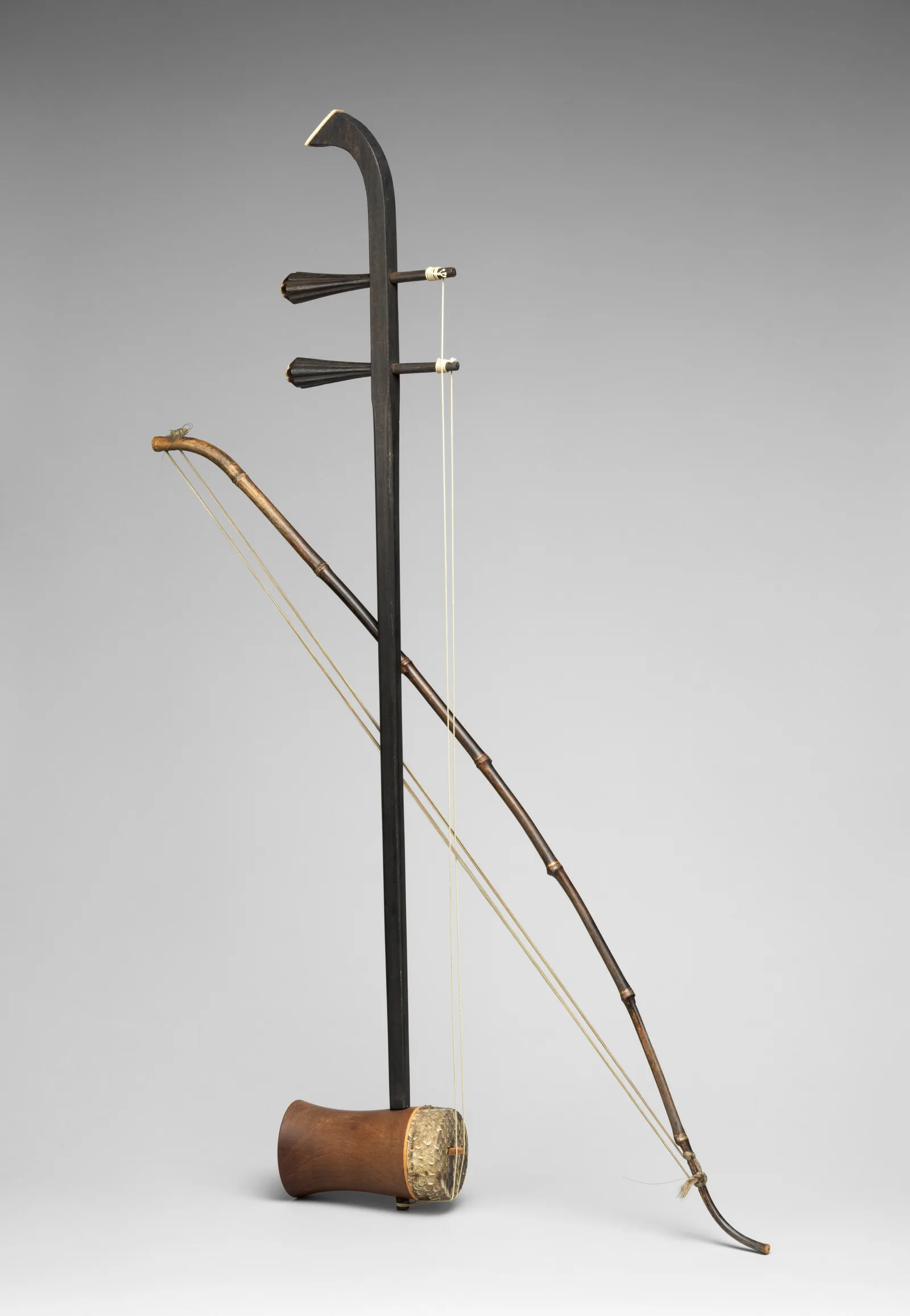
A two-stringed Chinese bowed fiddle, held vertically and played with the bow hair passing between the strings.
Bell-like notes produced on the guqin by lightly touching a string at a nodal point while the right hand plucks it.
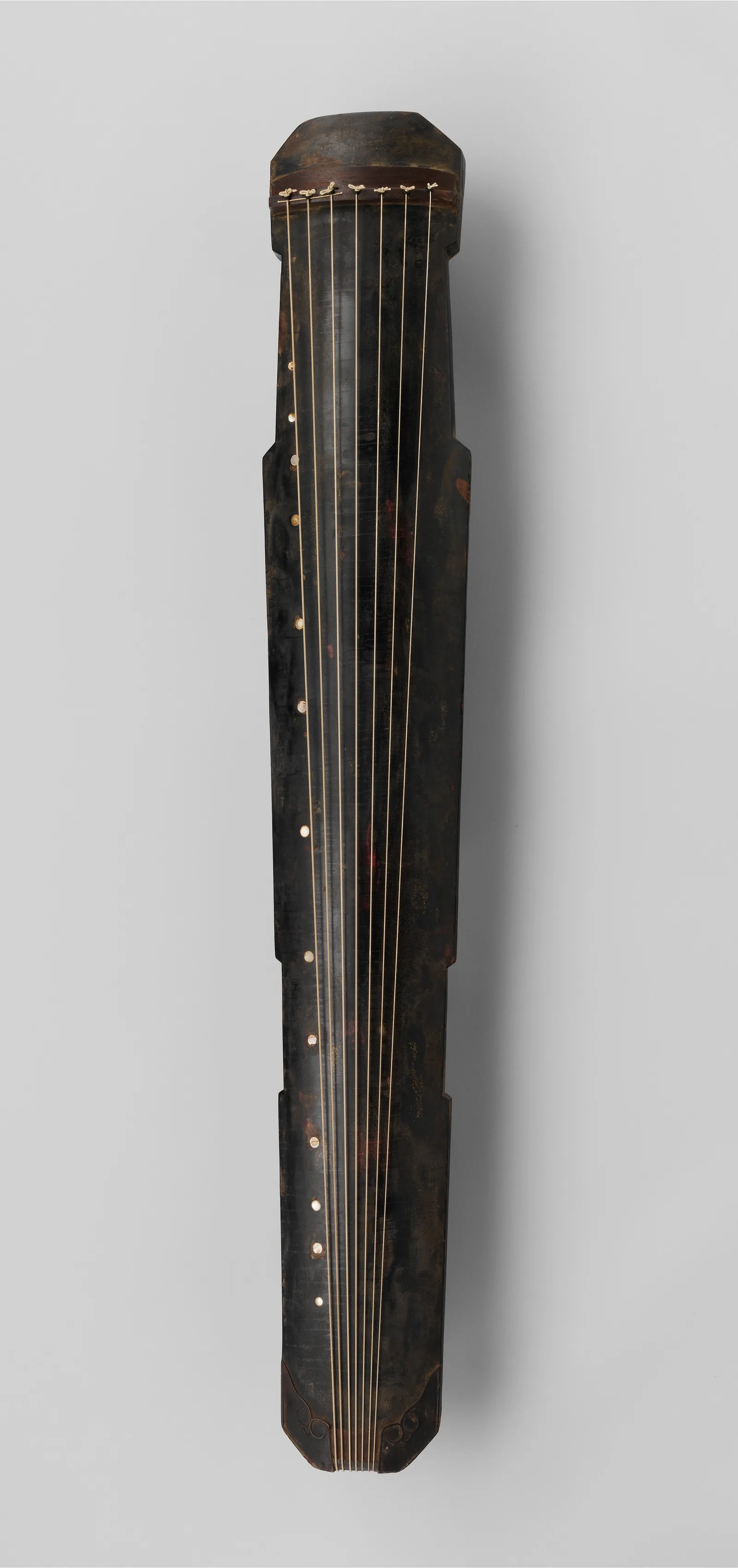
A seven-stringed Chinese zither, plucked with the right hand while the left hand stops the strings or touches them to sound harmonics.
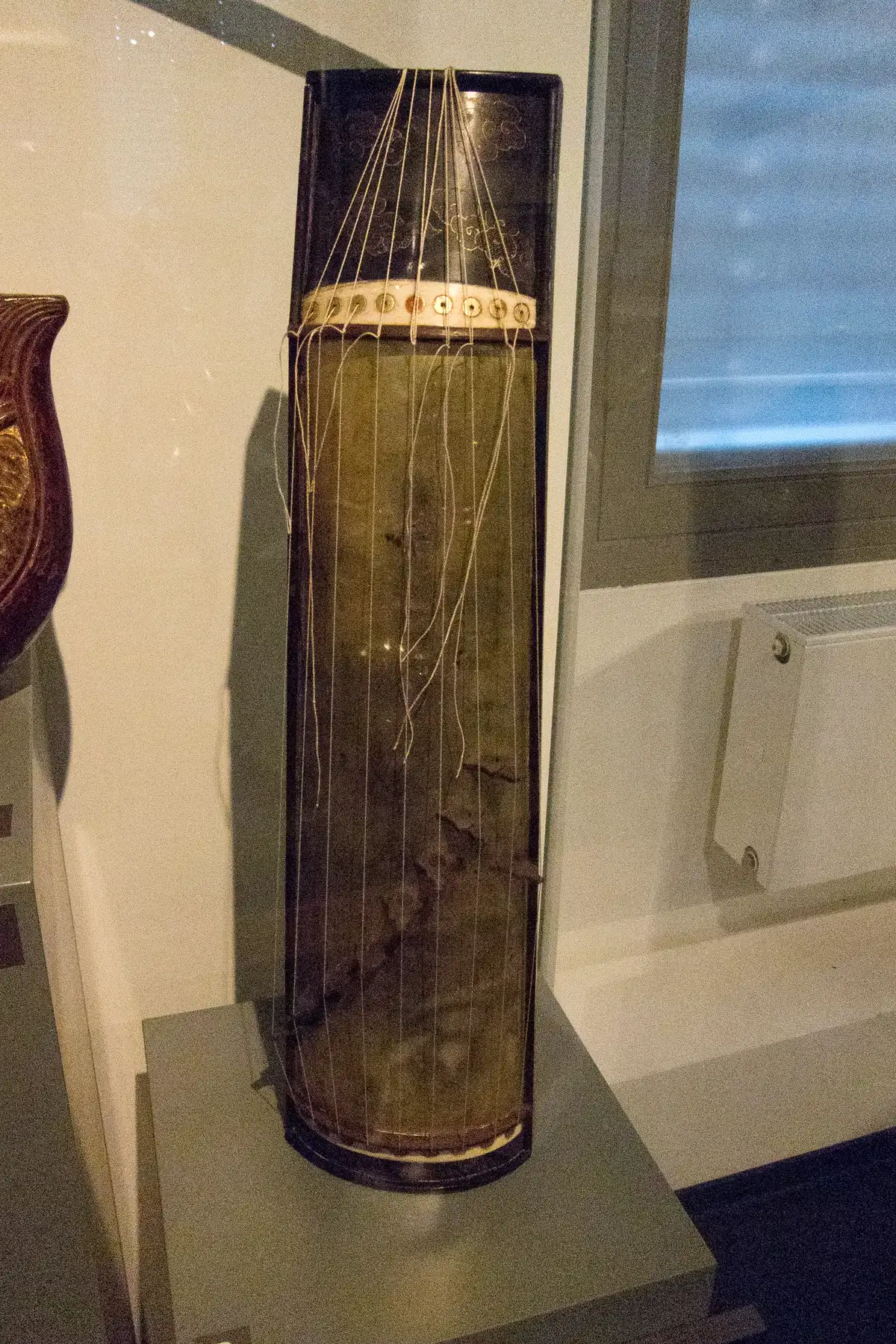
A long plucked Chinese zither with metal strings tuned by pegs on the top board, used for home entertainment, folk music and court ensembles.
The association of the guqin with Chinese scholars, poetry and self-cultivation, especially from the late imperial period onward.
conceptA five-note scale that much traditional Chinese music is built on, whose tones are named gong, shang, jue, zhi and yu.
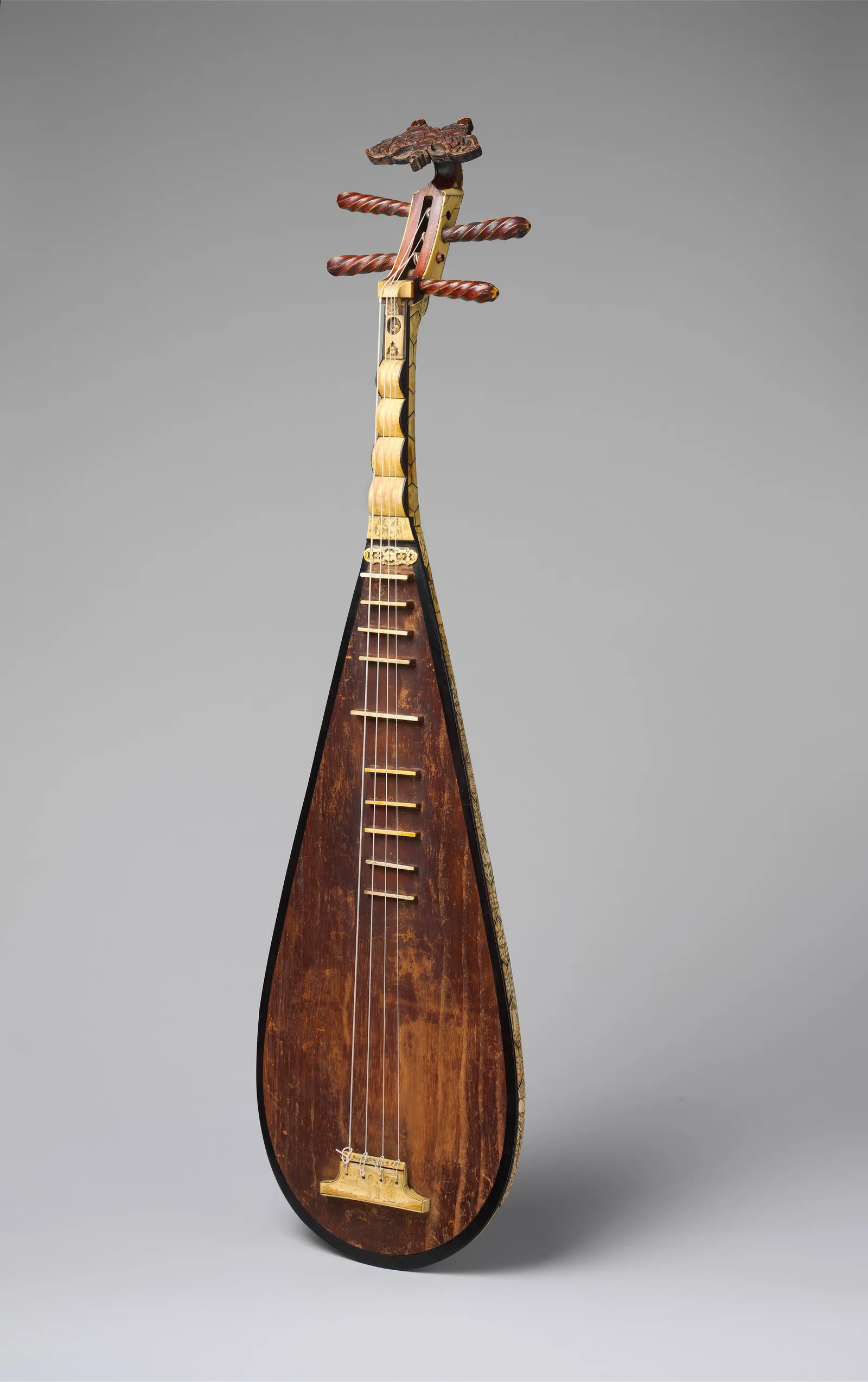
A pear-shaped Chinese lute, plucked and fretted, heard in opera and storytelling ensembles and in a virtuosic solo repertory.
Notes produced on the guqin by plucking a string that the left hand does not stop, giving the instrument's deep, resonant low register.
Looking for a specific section? Instruments, Musical Ideas, Music & Culture, Listening Guides.